Electric vehicles (EVs) are no longer just a futuristic concept—they are rapidly becoming a practical and popular choice in Nepal. With rising fuel prices, increasing environmental concerns, and supportive government policies, EV adoption is accelerating across the country. From the busy streets of Kathmandu to the winding roads of hilly regions, EVs are proving to be a smart and sustainable transportation solution.
In this article, we explore 10 compelling reasons why EVs are perfect for Nepal’s roads, along with key insights for anyone considering making the switch.
1. Lower Operating Costs of EVs in Nepal
One of the biggest advantages of EVs is their significantly lower running cost compared to petrol or diesel vehicles. Electricity is much cheaper than fossil fuels in Nepal, meaning drivers can save a substantial amount on daily commuting.
Additionally, EVs have fewer moving parts, which reduces maintenance expenses. There’s no need for oil changes, and brake systems last longer due to regenerative braking.
2. Rising Fuel Prices Make EVs More Attractive
Fuel prices in Nepal are highly volatile and often increasing due to global market fluctuations and import dependency. This makes owning a petrol or diesel car increasingly expensive.
EVs, on the other hand, rely on electricity, which is more stable and locally generated—especially with Nepal’s strong hydropower capacity. This makes EVs a more predictable and economical option.
3. Government Incentives for Electric Vehicles in Nepal
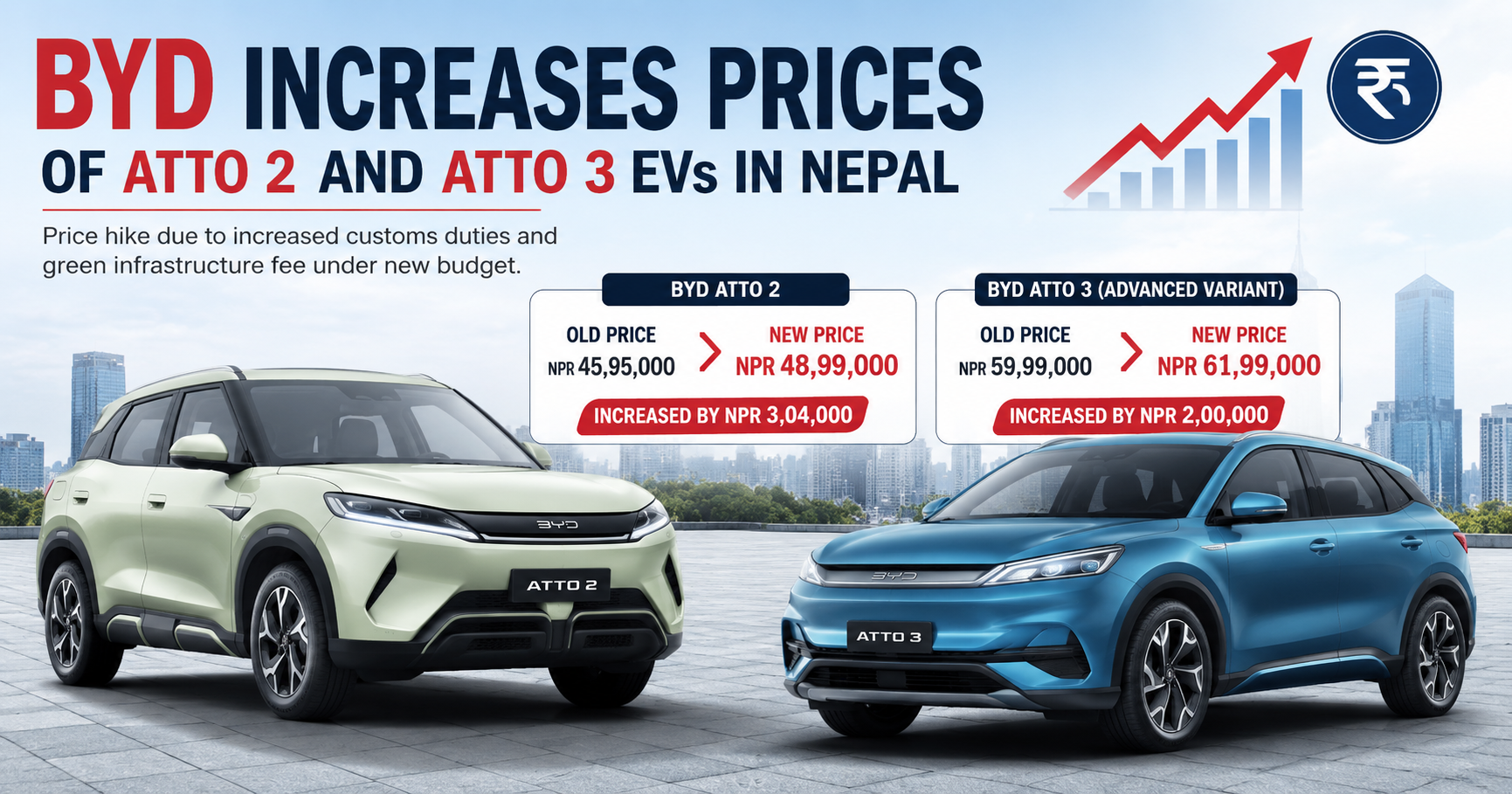
The Nepalese government has introduced several policies to promote EV adoption. These include lower customs duties, reduced road taxes, and other financial incentives.
Such policies make EVs more affordable upfront and encourage more people to consider switching from traditional vehicles.
4. Ideal for Nepal’s Short Urban Commutes
Most daily travel in cities like Kathmandu, Pokhara, and Lalitpur involves relatively short distances. EVs are perfectly suited for such urban commuting, with modern models offering ranges that easily cover daily needs.
Charging overnight at home is often sufficient, eliminating the need for frequent visits to fuel stations.
5. Growing EV Charging Infrastructure in Nepal
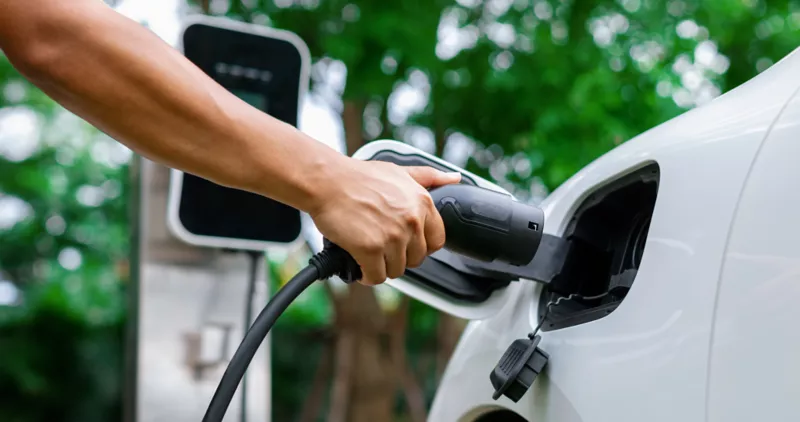
Charging infrastructure in Nepal is steadily expanding. Both government and private sectors are investing in charging stations across major highways and urban centers.
This growing network reduces “range anxiety” and makes long-distance travel more feasible for EV owners.
6. Eco-Friendly Transportation for Nepal’s Environment
Air pollution is a serious issue in Nepal, especially in Kathmandu Valley. EVs produce zero tailpipe emissions, helping to reduce air pollution and improve public health.
By switching to EVs, drivers contribute to a cleaner environment and support Nepal’s commitment to sustainable development.
7. Utilization of Nepal’s Hydropower Resources
Nepal is rich in hydropower, producing clean and renewable electricity. EVs allow the country to utilize this resource more effectively instead of relying on imported fossil fuels.
This not only strengthens energy independence but also aligns with national goals for green energy usage.
8. Smooth Performance on Hilly Roads
Nepal’s terrain is known for its hills and steep inclines. EVs perform exceptionally well in such conditions due to their instant torque.
Unlike traditional vehicles, EVs can climb hills more smoothly without frequent gear changes, making them ideal for Nepal’s diverse geography.
9. Quiet and Comfortable Driving Experience
EVs offer a quiet and smooth driving experience, which is particularly beneficial in congested urban areas. Reduced noise pollution is an added advantage for cities struggling with traffic and urban crowding.
Drivers also enjoy better comfort due to fewer vibrations and seamless acceleration.
10. Future-Proof Investment in Nepal’s Auto Market
The global automotive industry is shifting toward electric mobility, and Nepal is no exception. Investing in an EV today means staying ahead of the curve.
As infrastructure improves and technology advances, EVs will likely become the standard mode of transportation in Nepal. Early adopters stand to benefit the most.
Why EVs Are the Future of Nepal’s Roads
Electric vehicles are not just an alternative—they are a practical, economical, and sustainable solution tailored to Nepal’s unique needs. With lower operating costs, government support, and environmental benefits, EVs are perfectly suited for both urban and rural settings.
As Nepal continues to develop its infrastructure and harness its renewable energy potential, EV adoption will only grow stronger. For individuals looking to save money, reduce their carbon footprint, and embrace modern technology, switching to an EV is a smart and forward-thinking decision.