How Much Does It Cost to Charge an EV in Nepal? The Real Math Behind Every Kilowatt
Electric vehicles are no longer the future in Nepal—they are already here. But one question still confuses almost every buyer: “How much will it actually cost me to charge an EV?” The answer is not as simple as a single number. It depends on where you charge, how you charge, your vehicle type, and even your driving habits.
The Simple Truth Nobody Tells You
Most people expect EV charging cost to be a fixed price like fuel. But electricity doesn’t work like petrol. In Nepal, charging cost is shaped by three major factors:
- Domestic electricity tariff (your home meter)
- Public charging station pricing
- Battery size of your electric vehicle
Once you understand these three, everything else becomes simple math—not guesswork.
First, Let’s Understand the Unit: kWh
Electric vehicles don’t use liters. They use kilowatt-hours (kWh). Think of it like this:
- 1 kWh = 1 unit of electricity
- EV batteries are basically large energy tanks measured in kWh
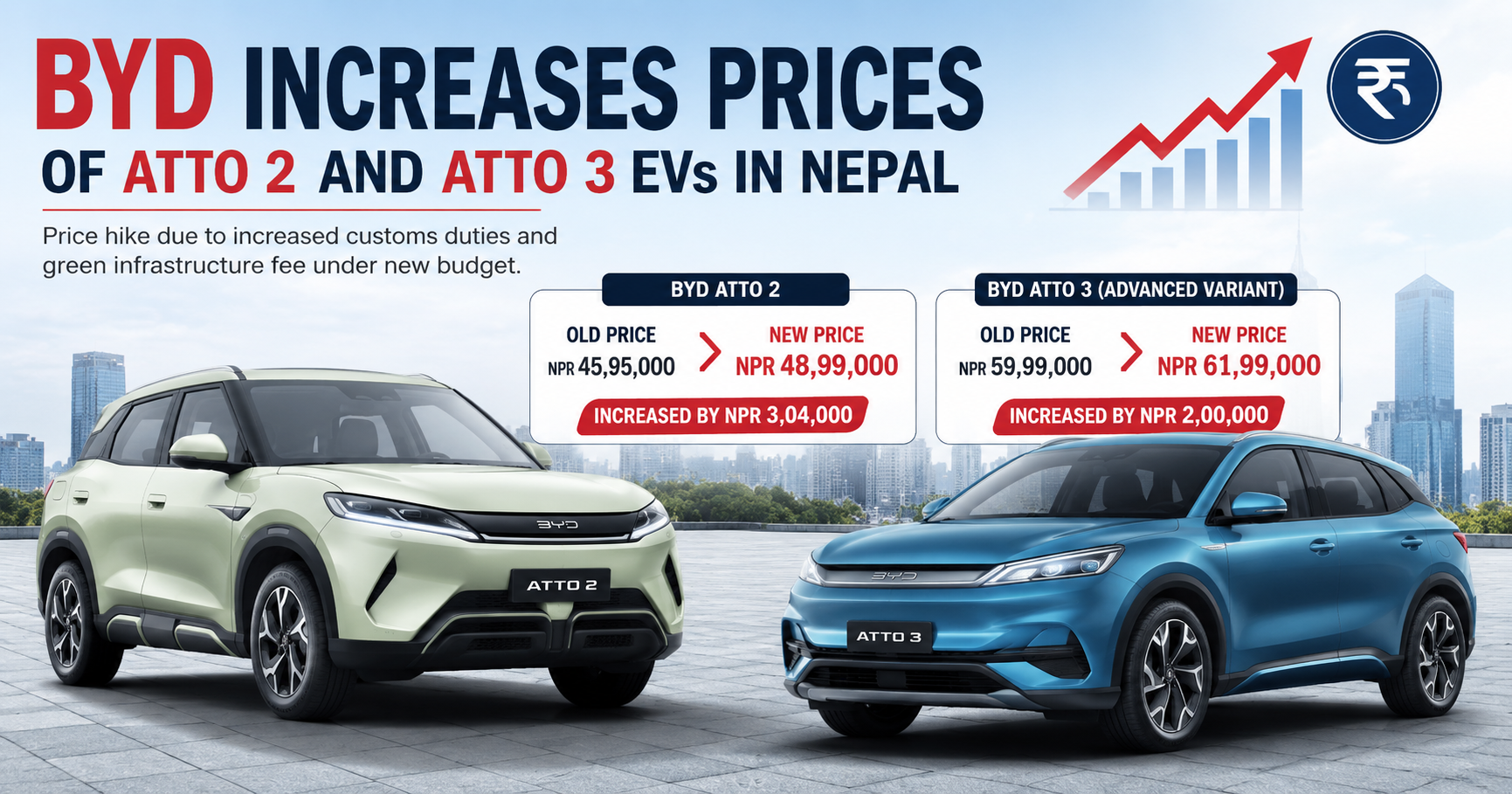
For example, a typical EV in Nepal like a Tata Nexon EV or BYD Atto 3 has a battery size between 30 kWh to 60 kWh.
Charging at Home: The Cheapest Option in Nepal
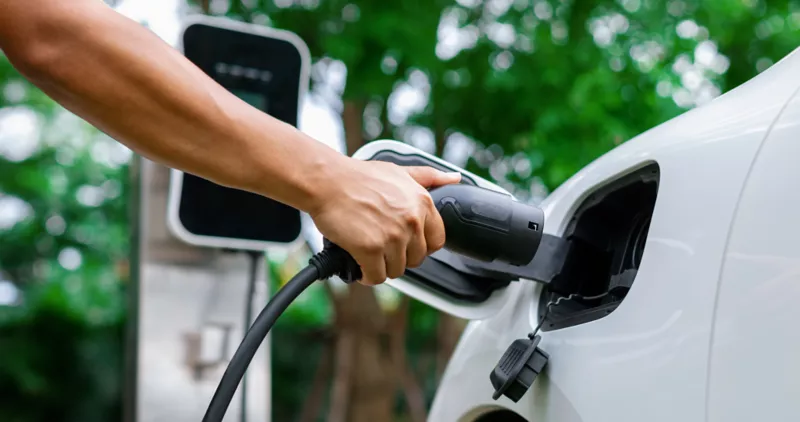
If you charge your EV at home in Kathmandu or anywhere in Nepal, you are using NEA (Nepal Electricity Authority) domestic tariffs.
On average, domestic electricity cost ranges from NPR 8 to NPR 12 per kWh depending on usage slab.
Let’s break it down:
Assume your EV has a 40 kWh battery:
- Full charge = 40 kWh
- Cost per kWh ≈ NPR 10 (average)
- Total cost = NPR 400 per full charge
Now here is the interesting part: That full charge can give you around 250 to 350 km range, depending on driving style and terrain.
So effectively, you are driving 300 km for just 400 rupees. That’s cheaper than a single liter of petrol in many cases.
Public Charging Stations: Convenience Comes at a Price
Now let’s talk about fast charging stations in Nepal—found in Kathmandu, major highways, and expanding cities.
Unlike home charging, public stations charge extra for speed and infrastructure. The typical rate ranges from:
- NPR 20 to NPR 35 per kWh (depending on provider and speed)
Real example:
If you charge the same 40 kWh EV:
- 40 × 25 NPR (average) = NPR 1000
This is still cheaper than petrol for similar distance, but 2–3x more expensive than home charging.
So public charging is not about saving money—it’s about saving time.
Home vs Public Charging: The Reality Check
| Charging Type | Cost per kWh | Full Charge Cost (40 kWh) | Main Benefit |
|---|---|---|---|
| Home Charging | NPR 8–12 | NPR 320–480 | Cheapest option |
| Public Charging | NPR 20–35 | NPR 800–1400 | Fast and convenient |
Monthly EV Charging Cost in Nepal (Realistic Scenario)
Let’s assume a daily commuter in Kathmandu drives 40 km per day.
- Monthly distance: ~1200 km
- EV efficiency: ~6 km per kWh
- Monthly energy needed: ~200 kWh
Cost calculation:
Home charging: 200 × 10 = NPR 2000 per month
Public charging: 200 × 25 = NPR 5000 per month
Even in the worst case, you are spending far less than petrol vehicles, which can easily cross NPR 12,000–20,000 per month in fuel.
Why EV Charging in Nepal Is Still So Cheap
Nepal has a hidden advantage that many countries don’t:
- Hydropower-based electricity generation
- Low domestic electricity subsidy structure
- Growing EV import incentives
This combination makes EVs extremely cost-efficient compared to fossil fuel vehicles. In fact, Nepal is one of the most EV-friendly markets in South Asia when it comes to running cost.
Hidden Costs You Should Not Ignore
While charging looks cheap, EV ownership still includes some indirect costs:
- Home charger installation (NPR 20,000–80,000 one-time)
- Battery degradation over time
- Occasional fast charging premium
- Electricity tariff changes in future
But even with these, EVs still maintain a strong cost advantage over petrol vehicles.
Real-World Insight: What EV Owners in Nepal Experience
Most EV owners in Kathmandu report a surprising pattern:
“After switching to EV, I stopped thinking about fuel prices completely. I just plug in at night and forget about it.”
This psychological shift is one of the biggest hidden benefits. Charging becomes routine, not a financial stress point.
The Future: Will Charging Become Expensive in Nepal?
Short answer: unlikely in the near future.
But there are two possible changes that could affect cost:
- Increase in public fast charging infrastructure pricing
- Tiered electricity tariffs for high EV adoption households
Even if prices rise slightly, EVs are expected to remain significantly cheaper than fuel-based transportation.
Final Verdict: The Real Cost of Charging an EV in Nepal
If we simplify everything into one conclusion:
- Home charging: NPR 300–500 for a full charge
- Public charging: NPR 800–1400 for a full charge
- Monthly running cost: 5x–8x cheaper than petrol vehicles
The real advantage of EVs in Nepal is not just environmental—it is financial freedom from fuel price uncertainty.
So the next time someone asks “Is EV worth it in Nepal?” — the answer is already in your electricity bill.