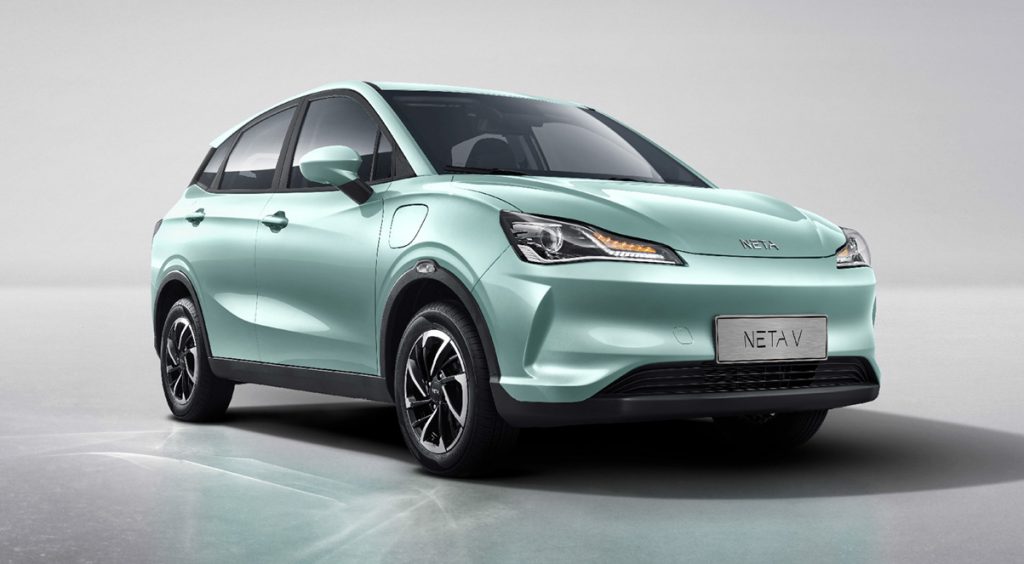
Buying a car in Nepal is a major financial decision and often a long-term investment. Whether you’re purchasing your first vehicle or upgrading to a newer model, the process involves more than just choosing a brand or design. Nepal’s unique road conditions, taxation system, fuel costs, and growing electric vehicle (EV) market all play a crucial role in determining what car is right for you.
This guide covers everything you need to consider before buying a car in Nepal so you can make a smart and practical decision.
1. Define Your Purpose and Usage
The first step is understanding why you need a car.
Ask yourself:
- Will you use it for daily commuting in Kathmandu?
- Do you need it for long highway trips?
- Will it be used for family travel or business purposes?
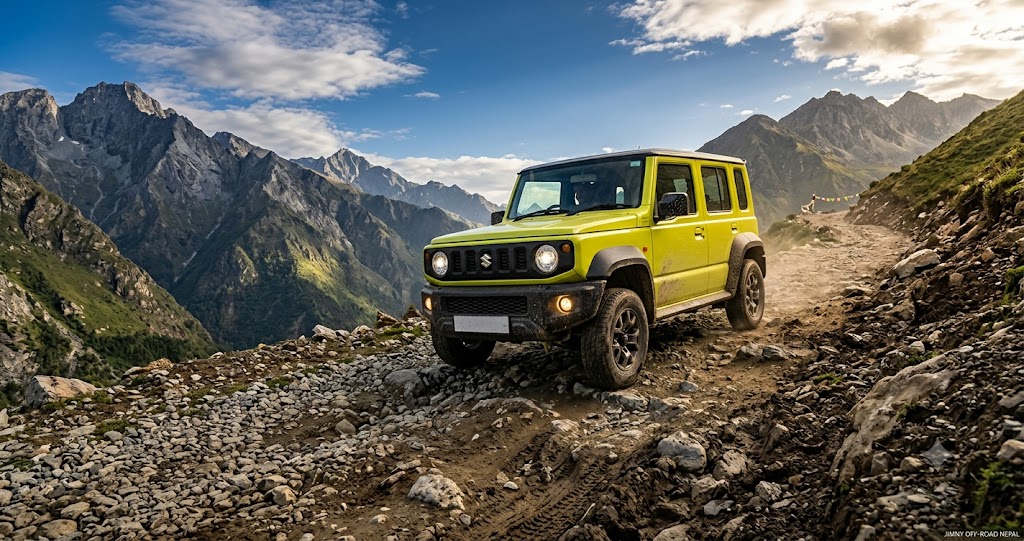
If you mostly drive within city areas like Kathmandu Valley, a compact hatchback or EV might be ideal due to traffic and narrow roads. For rough terrains or frequent out-of-city travel, an SUV or crossover is a better choice.
Choosing a car without a clear purpose often leads to unnecessary expenses later.
2. Budget: Beyond Just the Purchase Price
Many buyers focus only on the showroom price, but the real cost of owning a car in Nepal is much higher.
Key costs to consider
- Vehicle price (including taxes)
- Insurance
- Road tax
- Fuel or electricity costs
- Maintenance and servicing
- Spare parts
In Nepal, vehicle taxes are very high, especially for petrol and diesel cars. Electric vehicles have lower taxes, making them more affordable in the long run.
Always plan your budget keeping total ownership cost in mind—not just the upfront payment.
3. Petrol, Diesel, or Electric: Which One is Right?
This is one of the most important decisions.
Petrol Cars
- Lower upfront cost
- Easier refueling
- Higher fuel cost over time
Diesel Cars
- Better for long-distance driving
- More torque for highways and hills
- Higher maintenance and noise
Electric Vehicles (EVs)
- Lower running cost
- Minimal maintenance
- Government tax benefits
- Limited charging infrastructure (but improving)
In cities like Kathmandu, EVs are becoming increasingly popular due to lower operating costs and environmental benefits.
4. Road Conditions in Nepal
Nepal’s roads vary widely—from smooth city roads to rough rural tracks.
Before buying a car, consider:
- Ground clearance
- Suspension strength
- Build quality
For example:
- Low ground clearance cars may struggle on uneven roads
- SUVs or crossovers are better for hilly and rural areas
If you frequently travel outside urban areas, durability should be a top priority.
5. Mileage and Efficiency
Fuel efficiency is a critical factor in Nepal due to high fuel prices.
- Petrol cars with better mileage save money long-term
- EVs are far cheaper per kilometer compared to fuel vehicles
If your daily commute is long, choosing a fuel-efficient or electric vehicle can significantly reduce your monthly expenses.
6. Availability of Service Centers and Spare Parts
This is often overlooked but extremely important.
Before choosing a brand, check:
- Availability of authorized service centers
- Cost and availability of spare parts
- Mechanic expertise in your area
Some brands may offer attractive prices but have limited service networks in Nepal, leading to inconvenience and higher maintenance costs.
Always go for brands with strong after-sales support.
7. Resale Value
Cars in Nepal are often resold after a few years, so resale value matters.
Factors affecting resale value
- Brand reputation
- Demand in the market
- Maintenance condition
- Fuel type (EV demand is rising)
Japanese and Korean brands typically have strong resale value in Nepal. EV resale value is still evolving but improving as demand increases.
8. Safety Features
Safety should never be compromised.
Look for:
- Airbags
- ABS (Anti-lock Braking System)
- Electronic Stability Control (ESC)
- Rear parking sensors or camera
While safety features may increase the price, they are essential for protecting you and your passengers—especially on Nepal’s unpredictable roads.
9. Financing and Loan Options
Most people in Nepal purchase cars through bank loans.
Before taking a loan:
- Compare interest rates from different banks
- Check loan tenure and EMI options
- Understand down payment requirements
Make sure your monthly installment is manageable and does not strain your finances.
10. Government Taxes and Policies
Nepal has one of the highest vehicle tax structures in the world.
Key points
- Petrol/diesel cars have very high import duties
- EVs receive tax benefits and incentives
- Annual road tax varies based on vehicle type
Understanding the tax structure helps you make a financially sound decision.
11. Parking Space and Practicality
In cities like Kathmandu, parking is a major issue.
Before buying a car, consider:
- Do you have parking space at home?
- Is parking available at your workplace?
- Will a large car be difficult to manage in narrow streets?
Compact cars are often more practical for urban areas.
12. Test Drive and Comfort
Never buy a car without a test drive.
During the test drive, check:
- Driving comfort
- Seat quality
- Visibility
- Ease of handling
- Noise levels
A car may look perfect on paper but feel uncomfortable in real driving conditions.
13. Technology and Features
Modern cars come with various features such as:
- Touchscreen infotainment systems
- Navigation
- Bluetooth connectivity
- Smart key and push start
While these features improve convenience, don’t overpay for features you won’t use regularly.
Focus on practicality over luxury.
14. Insurance and Legal Requirements
Car insurance is mandatory in Nepal.
Types of insurance
- Third-party insurance (basic requirement)
- Comprehensive insurance (recommended)
Make sure your car is properly insured and all legal documents are in place before driving.
15. Future Trends: Is EV the Better Choice?
Nepal is moving toward electric mobility.
Reasons why EVs are gaining popularity:
- Lower running cost
- Government incentives
- Growing charging infrastructure
- Environmental benefits
If you are planning a long-term investment, considering an EV could be a smart move.
Conclusion
Buying a car in Nepal is not just about choosing a model—it’s about making a decision that fits your lifestyle, budget, and long-term needs.
To summarize, always consider:
- Your purpose and usage
- Total ownership cost
- Fuel type (petrol vs EV)
- Road conditions
- Service availability
- Safety and comfort
Taking time to evaluate these factors will help you avoid costly mistakes and ensure that your investment is worthwhile.
Whether you choose a fuel-powered vehicle or an electric car, making an informed decision will give you peace of mind and a better driving experience on Nepal’s diverse roads.
Keywords used: buying car in Nepal, car buying guide Nepal, EV vs petrol Nepal, car cost Nepal, vehicle tax Nepal, best car Nepal, car maintenance Nepal, EV Nepal guide