EV vs petrol car: Uncover the crucial differences in cost, performance, and environmental impact. Make an informed choice for your next vehicle. Read our guide now!
Table of Contents
EV vs Petrol Car: A Comprehensive Showdown
Deciding between an electric vehicle (EV) and a traditional petrol car is a major decision today. Drivers face a complex landscape of choices. This article will thoroughly explore the fundamental differences.
Understanding the nuances of EV vs petrol car ownership is crucial. It impacts your wallet, daily routine, and environmental footprint. Let's delve into the specifics to help you make an informed choice.
Understanding Electric Vehicles (EVs)
Electric vehicles operate solely on electricity. They use a battery pack to power an electric motor. These cars produce zero tailpipe emissions.
EVs come in various forms, including Battery Electric Vehicles (BEVs) and Plug-in Hybrid Electric Vehicles (PHEVs). BEVs run purely on electricity. PHEVs combine an electric motor with a petrol engine.
Understanding Petrol Cars
Petrol cars, also known as gasoline cars, rely on an internal combustion engine. This engine burns fossil fuels to create power. They have been the dominant vehicle type for over a century.
Petrol cars are familiar and widely supported by existing infrastructure. They offer diverse models and fuel options. However, they contribute significantly to air pollution and greenhouse gas emissions.
Key Differences: EV vs Petrol Car
Purchase Price & Incentives
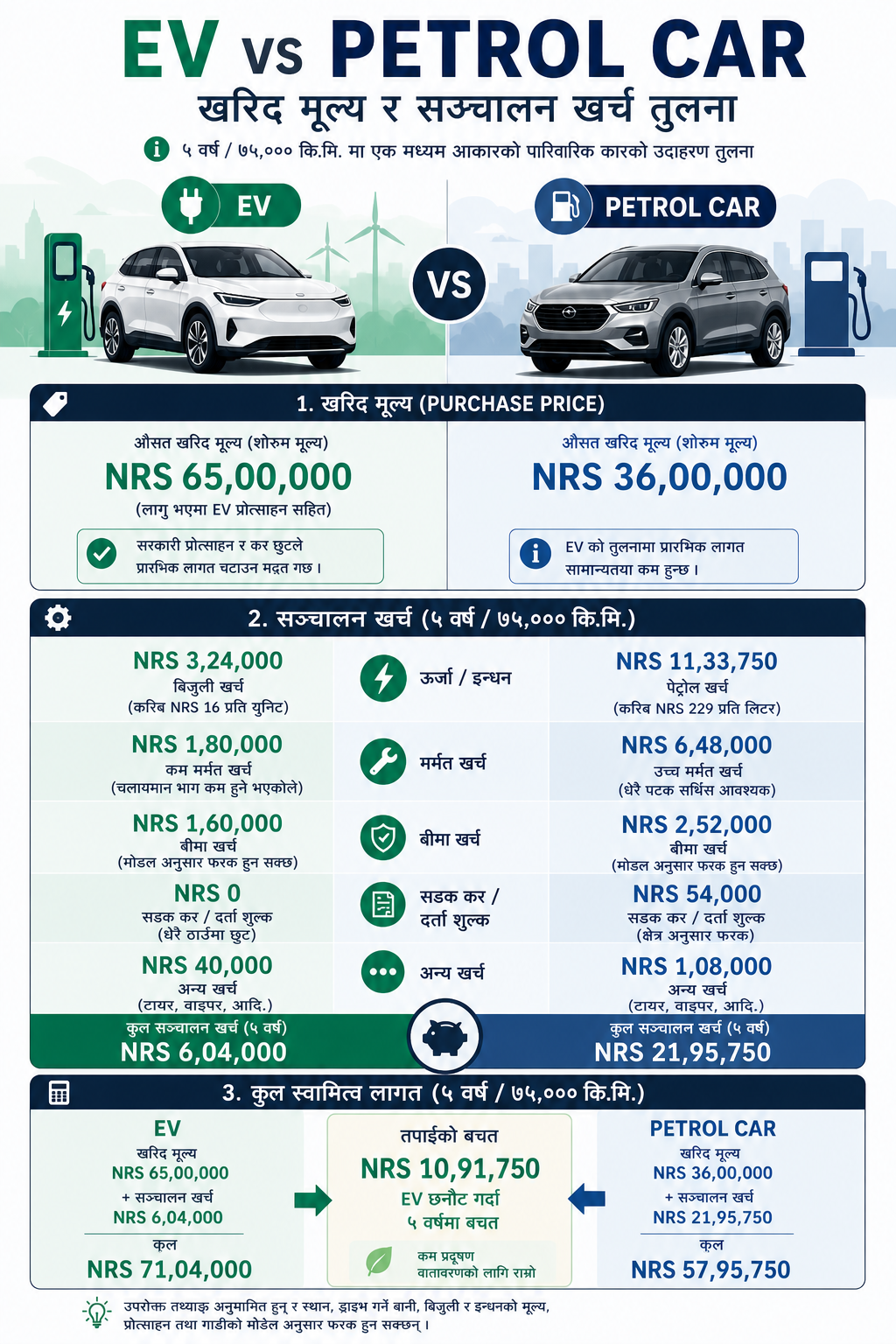
Electric vehicles often have a higher upfront purchase price. This is due to battery technology costs. However, government incentives and tax credits can significantly offset this.
Petrol cars generally have lower initial costs. They may not qualify for the same financial benefits. Always check local and national incentive programs for EVs.
Running Costs (Fuel/Electricity & Maintenance)
The cost of electricity to charge an EV is typically lower than petrol costs. This leads to substantial savings over time. Home charging is often the most economical option.
EVs also boast lower maintenance needs. They have fewer moving parts than petrol cars. There are no oil changes or spark plug replacements needed.
Environmental Impact
EVs produce zero tailpipe emissions, which improves local air quality. Their overall carbon footprint depends on the electricity source. Renewable energy sources make EVs even greener.
Petrol cars emit carbon dioxide and other pollutants directly from their exhaust. These emissions contribute to climate change and smog. The environmental benefit is a strong point for the EV vs petrol car debate.
Performance & Driving Experience
EVs offer instant torque, providing quick acceleration. Their quiet operation makes for a smooth, serene ride. This silent power is a notable difference.
Petrol cars offer a familiar engine sound and feel. Performance varies greatly by model and engine size. Many drivers enjoy the tactile experience of a traditional engine.
Range & Charging/Refueling
EV range varies, with many new models offering 250+ miles on a single charge. Charging infrastructure is expanding rapidly. Charging times can range from 20 minutes (fast charger) to several hours (Level 2).
Petrol cars offer quick refueling at abundant petrol stations. Their range is generally consistent and predictable. Range anxiety is less common with petrol vehicles.
Resale Value & Battery Degradation
The resale market for EVs is maturing. Early concerns about battery degradation are being addressed by improved technology and warranties. Many manufacturers offer long battery warranties.
Petrol car resale values are well-established. They depend on age, mileage, and condition. The long-term depreciation curve for EVs is still evolving.
Infrastructure & Accessibility
Charging an EV at home is highly convenient. Public charging stations are growing in number. However, accessibility can still be a challenge in some rural areas.
Petrol stations are ubiquitous, making refueling effortless. The widespread availability of petrol infrastructure is a major advantage. This accessibility simplifies long-distance travel.
| Feature | Electric Vehicle (EV) | Petrol Car |
|---|---|---|
| Initial Cost | Generally higher | Generally lower |
| Fuel Cost | Lower (electricity) | Higher (petrol) |
| Maintenance | Lower (fewer moving parts) | Higher (more components) |
| Emissions | Zero tailpipe (well-to-wheel dependent) | Tailpipe emissions (CO2, pollutants) |
| Performance | Instant torque, quiet ride | Engine noise, traditional power delivery |
| Range | Varies (200-400+ miles), improving | Varies (300-600+ miles), established |
| Refueling/Charging Time | 20 mins (DC fast) to 8+ hours (Level 2) | 5-10 minutes |
| Government Incentives | Often available | Rarely available |
Making Your Choice: EV vs Petrol Car Considerations
Your Daily Commute and Travel Habits
Consider your typical daily mileage. EVs are excellent for short to medium commutes. Longer road trips require planning for charging stops.
Petrol cars offer greater flexibility for spontaneous long journeys. Their widespread refueling infrastructure supports extended travel without much thought. Your lifestyle greatly influences the best choice.
Access to Charging/Refueling
Home charging is a significant advantage for EV owners. If you cannot install a home charger, public charging availability becomes critical. This is a primary factor for many.
Petrol car ownership requires no special home infrastructure. Easy access to petrol stations is a given almost everywhere. This convenience is a key benefit.
Budget & Long-Term Financial Planning
Look beyond the purchase price. Evaluate the Total Cost of Ownership (TCO). This includes fuel, maintenance, insurance, and potential incentives. EVs can be cheaper in the long run.
Government Policies and Tax Benefits for EVs in Nepal Explained
Petrol cars may seem cheaper upfront. However, rising fuel prices and regular maintenance can add up. Project your costs over 5-10 years for a clear financial picture.
Environmental Priorities
If reducing your carbon footprint is paramount, an EV is likely your preferred option. They contribute to cleaner air and a greener future. This aligns with many consumers' values.
While petrol cars are becoming more fuel-efficient, they still burn fossil fuels. Their environmental impact is undeniably higher. Consider your commitment to sustainability when weighing EV vs petrol car.
Alt Text: Video explaining EV charging infrastructure and types
The Future of EV vs Petrol Car
The automotive industry is rapidly shifting towards electrification. Battery technology is improving, increasing range and reducing costs. Charging networks are expanding globally. Learn more about the Global EV Outlook from the IEA.
Petrol cars will remain on the roads for many years. However, their market share is projected to decline. Stricter emissions regulations are pushing manufacturers towards electric alternatives. Explore EV myths and facts from the EPA.
Pros and Cons of EVs
- Pros:
- Lower running costs (fuel, maintenance)
- Zero tailpipe emissions, better for air quality
- Instant torque and quiet driving experience
- Government incentives and tax breaks
- Reduced reliance on fossil fuels
- Cons:
- Higher upfront purchase price
- Longer refueling (charging) times
- Range anxiety for long trips (less common now)
- Dependent on charging infrastructure availability
- Battery production environmental impact
Pros and Cons of Petrol Cars
- Pros:
- Lower upfront purchase price
- Quick and convenient refueling at widespread stations
- Established technology and resale market
- No range anxiety for most drivers
- Cons:
- Higher running costs (fuel, maintenance)
- Tailpipe emissions contribute to pollution
- Noisy engine operation
- Subject to volatile fuel prices
- Maintenance often more complex and frequent
Conclusion
The choice between an EV vs petrol car is highly personal. It depends on your priorities, lifestyle, and budget. Both have distinct advantages and disadvantages.
As technology evolves and infrastructure grows, EVs become increasingly viable. Petrol cars still offer familiarity and convenience. Carefully weigh all factors to determine the best vehicle for your needs today and in the future.